
 Case Study Series
Project 7221: Anne Arundel County | Large-Scale 203(k) Renovation Project
Purpose of This Series
This case study is the first in an ongoing series documenting real-world FHA 203(k) consulting projects from initial engagement through final draw and close-out. The goal is to provide a transparent, educational look at how a complex 203(k) renovation unfolds in practice—highlighting process, challenges, decision points, and lessons learned along the way.
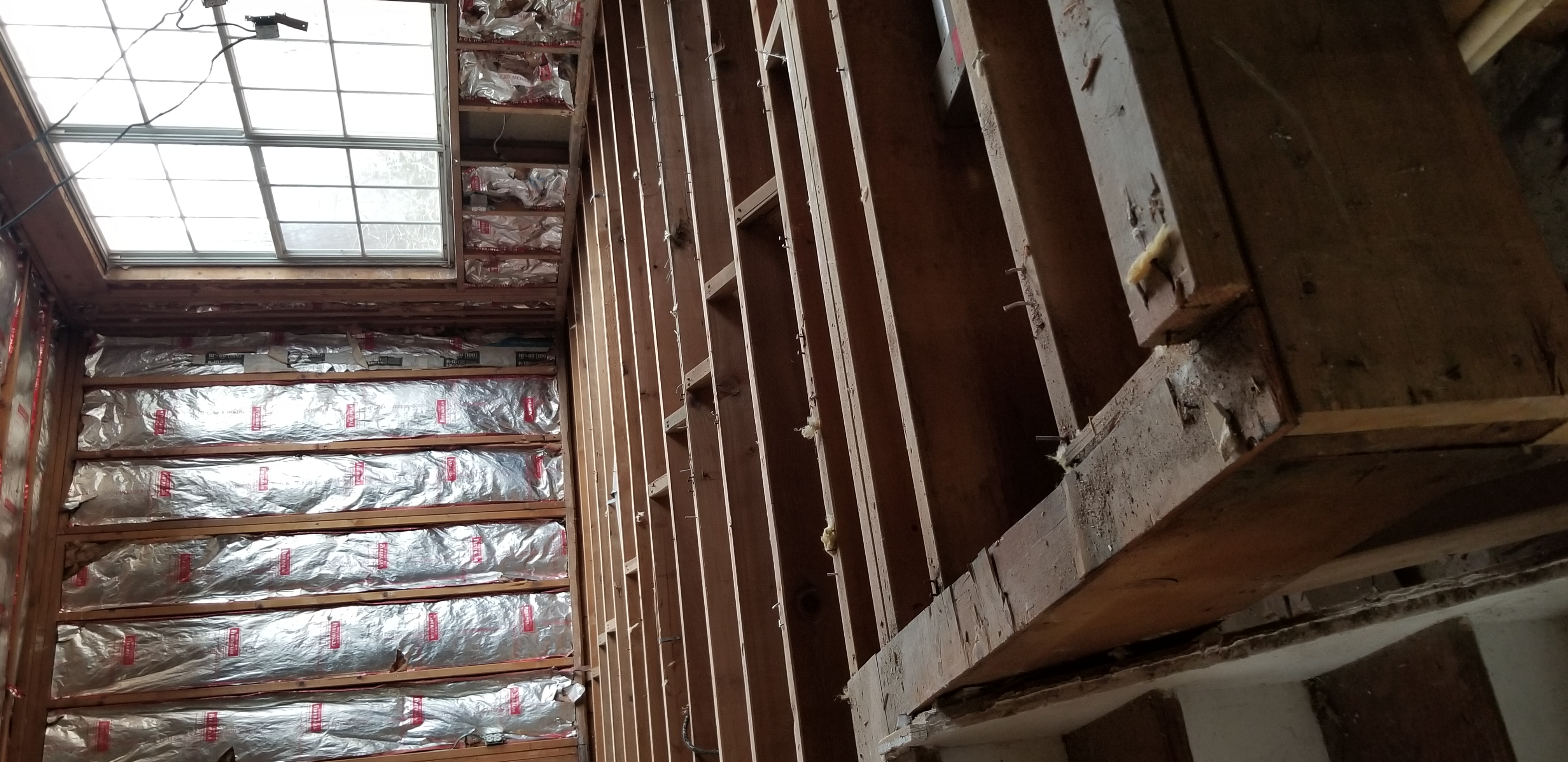
This particular project, located in Anne Arundel County, Maryland, represents the largest 203(k) consulting assignment I have completed to date. Due to its size, scope, and level of coordination required, it serves as an ideal example of how the 203(k) process works when properly structured and managed.
Understanding the FHA 203(k) Process (Before the First Inspection)
Before stepping foot on-site for the initial inspection, a substantial amount of work takes place behind the scenes. A successful 203(k) project depends on following a structured, sequential process designed to protect the borrower, lender, and contractor while ensuring the property ultimately meets FHA requirements.
Below is a high-level overview of the steps required to create a proper 203(k) write-up and reach the point of the first inspection.
Step 1: Initial Engagement & Feasibility Discussion
The process begins when a borrower or lender initiates a conversation to determine whether the FHA 203(k) program is appropriate for the property. At this stage, the focus is on:
- Property type and eligibility
- Overall renovation objectives
- Anticipated scope of work
- General timeline considerations
- Determining whether the project qualifies as a Standard or Limited 203(k)
For projects of this scale and complexity, a Standard 203(k) is required.
Step 2: Preliminary Review of Contractor Scope
Once a contractor is identified, an initial review of the proposed scope of work is conducted to ensure it:
- Addresses all required and anticipated repairs
- Meets FHA minimum property standards
- Is sufficiently detailed for lender underwriting
- Clearly separates labor and material costs
This phase often identifies missing items, vague descriptions, or inconsistencies that must be corrected before the project can move forward.
Step 3: Site Visit & Property Inspection (Initial Write-Up Inspection)
The initial inspection is a comprehensive evaluation of the property in its existing condition—it is not a draw inspection. During this visit, the consultant:
- Walks the entire property, including interior, exterior, and site features
- Identifies required, recommended, and FHA-mandated repairs
- Confirms the feasibility of the proposed renovations
- Notes any health, safety, or structural concerns
- Verifies that the contractor’s scope aligns with actual site conditions
This inspection forms the foundation of the entire 203(k) file and directly informs the Work Write-Up.
Step 4: Creation of the Work Write-Up (WWU)
Following the inspection, a detailed Work Write-Up (WWU) is prepared. This document:
- Itemizes each approved repair and renovation
- Establishes the draw schedule
- Defines completion standards for each line item
- Ties contractor pricing to specific scopes of work
- Serves as the controlling document for the life of the loan
For large, multi-scope projects, this step requires close coordination between the consultant, contractor, and lender.
Step 5: Lender Review & Loan Approval
Once submitted, the lender reviews the complete 203(k) package, which typically includes:
- The Work Write-Up
- Contractor documentation and bids
- Architectural plans or specifications (when required)
- Borrower qualification materials
Revisions may be requested before final loan approval is issued.
Step 6: Loan Closing & Construction Start
After the loan closes, construction may begin. Renovation funds are held in escrow and released through scheduled draw inspections as work is completed and verified.
Only at this point does the project transition from planning into active construction.
Transition to the Field: The First Draw Inspection
With construction underway, the next major milestone is the first draw inspection. This inspection verifies completed work against the approved Work Write-Up and determines whether payment authorization can be issued for completed items.
For this project, the first draw inspection has been completed, and payment has been approved for the contractor.
In the next installment of this case study series, I will walk through:
- Conditions observed during the first draw inspection
- How completed work is evaluated against the WWU
- Common issues encountered during early-stage draws
- Visual documentation from the site visit
(Inspection photos will be included in the next entry.)


Comments